WOMEN HOLD HALF THE WORLD: LEADERSHIP, LIVELIHOODS, AND COMMUNITY TRANSFORMATION
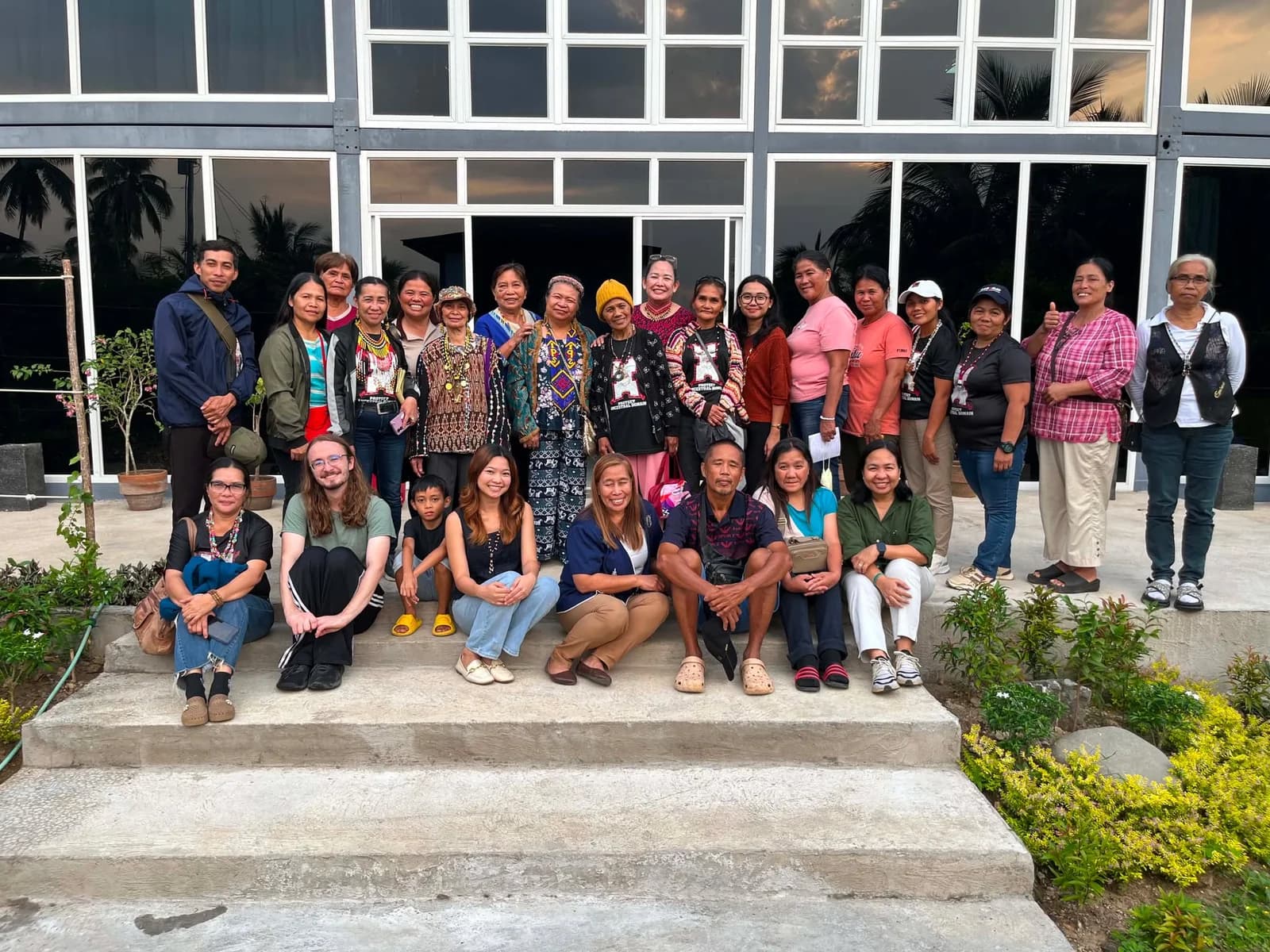
The “Hawak ng Babae ang Kalahati ng Mundo” session provided a meaningful space for women and men from Indigenous Peoples (IP) and non-IP communities to reflect on gender roles, leadership, livelihoods, identity, and community life. Through participatory activities, participants examined the realities of their daily responsibilities and recognized the often-unseen labor and leadership of women in households, farming, coffee production, entrepreneurship, and community governance. The 5Rs Framework encouraged reflection on recognizing, reducing, redistributing, representing, and building resilience around shared responsibilities. Discussions on the Three Layers of Life and the Four Harmonies deepened participants’ understanding of purpose, well-being, relationships, spirituality, and stewardship of creation. The session also created opportunities for dialogue between IP and migrant communities, particularly on ancestral domain rights, coffee farming, economic cooperation, and peaceful coexistence. Ultimately, the gathering affirmed women’s vital contributions while promoting inclusive, respectful, resilient, and harmonious communities.
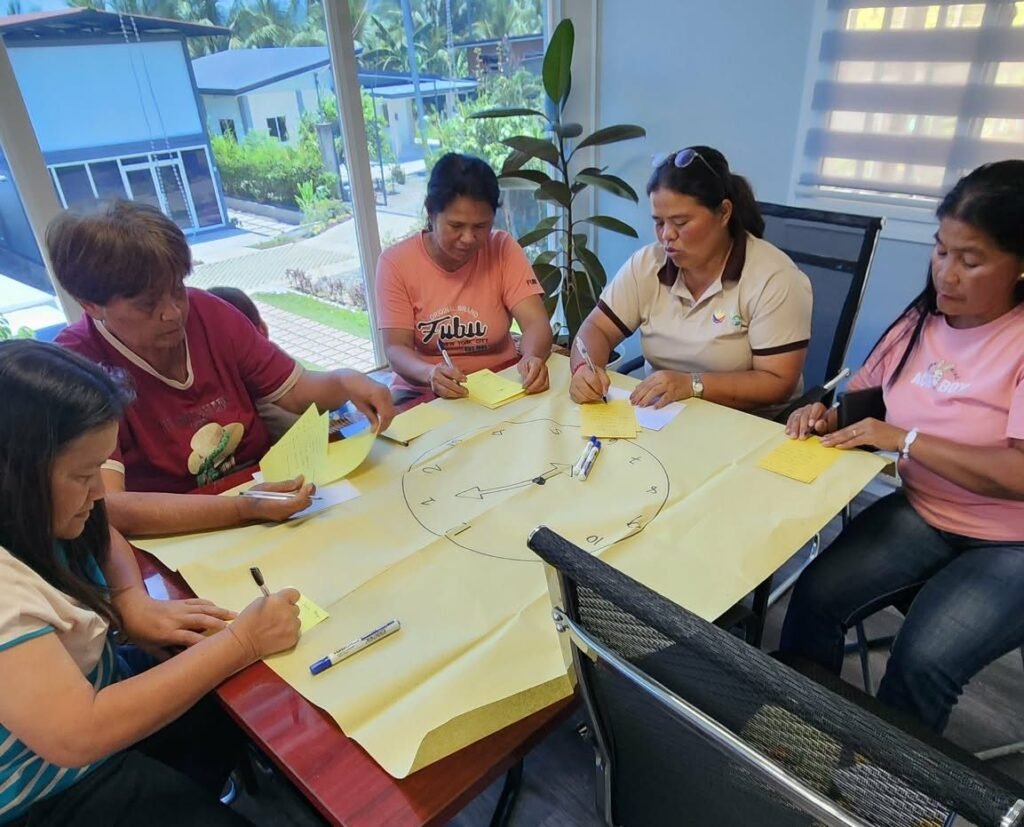
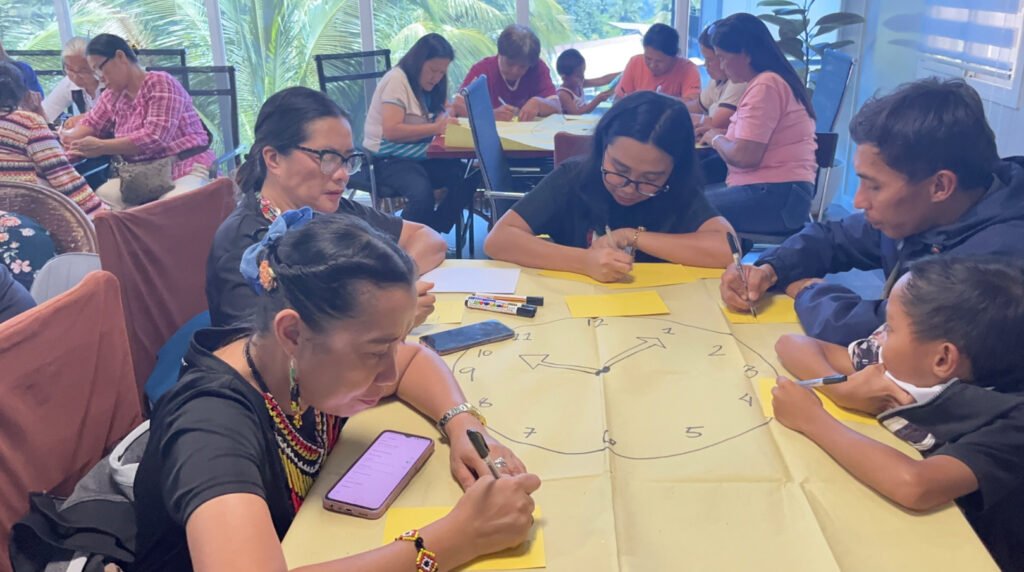
“Hawak ng Babae ang Kalahati ng Mundo” served as the central theme of the session, highlighting the vital role of women in shaping families, communities, and livelihoods. The activity brought together 22 participants, composed of 20 women and 2 men from both Indigenous Peoples (IP) and non-IP communities, to reflect on their daily experiences, responsibilities, aspirations, and contributions to society.
The session began with an interactive activity called “A Day in a Household,”where participants from CCGAF of Upper Catigan, BBTAFLA of Barangay Binaton and the staff of Dubria Farm were tasked of illustrating their daily responsibilities within a 24-hour period. Each group was provided with a drawing clock and identified the various tasks performed by men and women throughout the day before presenting their outputs to the plenary.
The activity revealed the significant roles played by women and men in their households, communities, and livelihoods. Most participants shared that their day begins as early as 4:00 a.m. with prayer, followed by household chores such as cleaning the house, preparing meals, doing laundry, and taking care of their children. Beyond domestic responsibilities, many women are also engaged in income-generating activities such as farming, coffee production, baking, bead making, and community leadership. Several participants hold leadership positions in their barangays and tribal communities while continuing to manage household duties. The discussion highlighted that women often balance multiple responsibilities simultaneously, demonstrating their invaluable contributions to both family and community development.
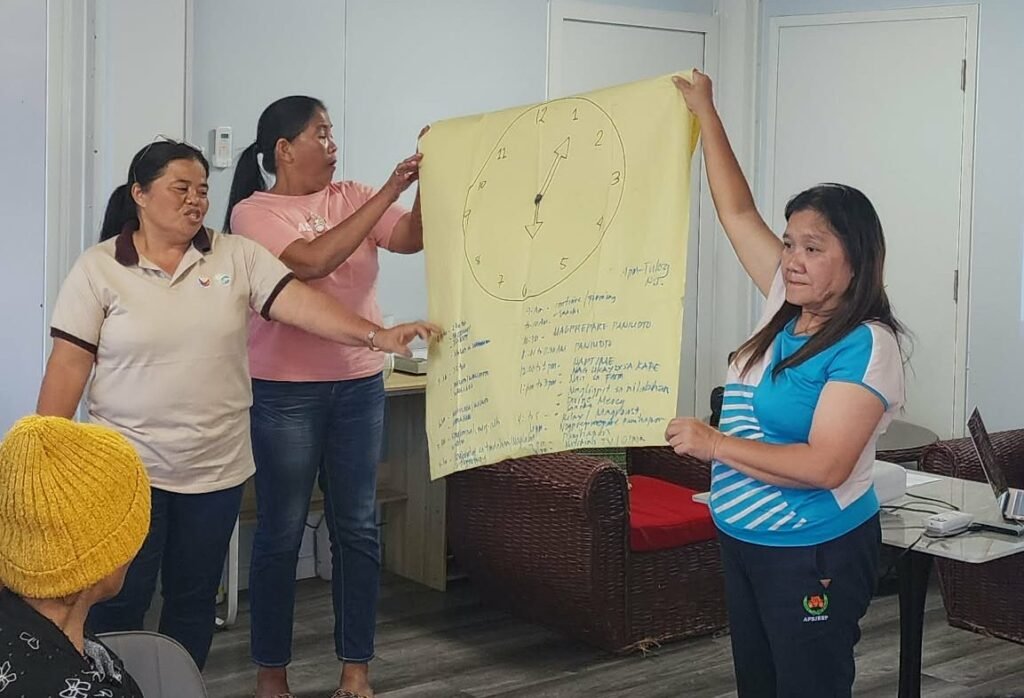
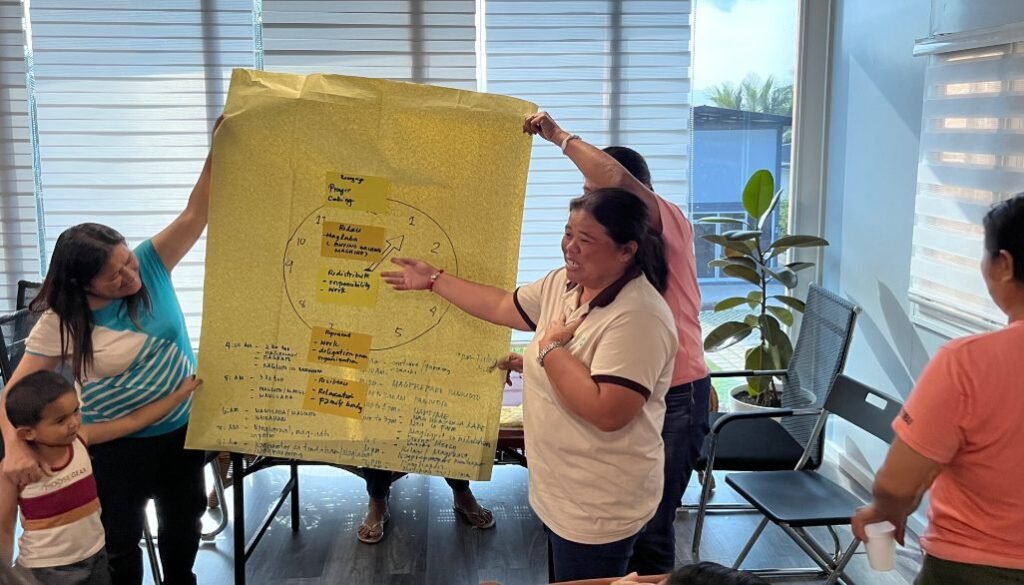
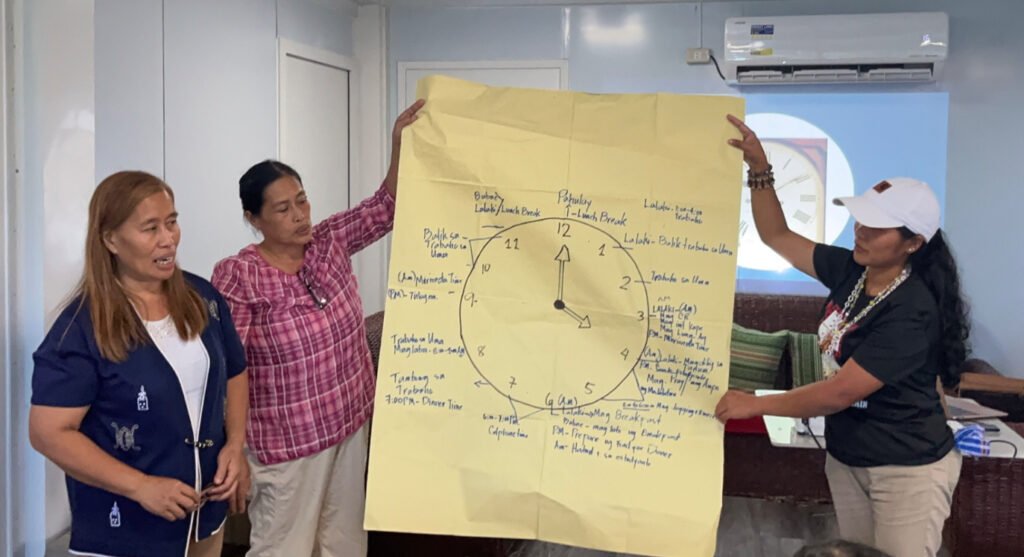
After analyzing the participants’ daily schedules, the facilitator introduced the 5Rs Framework—Recognize, Reduce, Redistribute, Represent, and Resilience. Participants reflected on their daily activities and identified actions corresponding to each principle. Prayer emerged as one of the most recognized and valued practices in their lives. Participants suggested reducing excessive social media use, redistributing household and farming responsibilities to lessen the burden on women, and ensuring that women’s voices are heard and represented in community decision-making processes. Just like the BBTAFLA lead by Bae Jerlina Owok that expresses how women can effectively lead initiatives and contribute meaningfully to community development. They also emphasized the importance of resilience through adequate rest and self-care, recognizing that well-being is essential for sustaining productivity and fulfilling responsibilities.
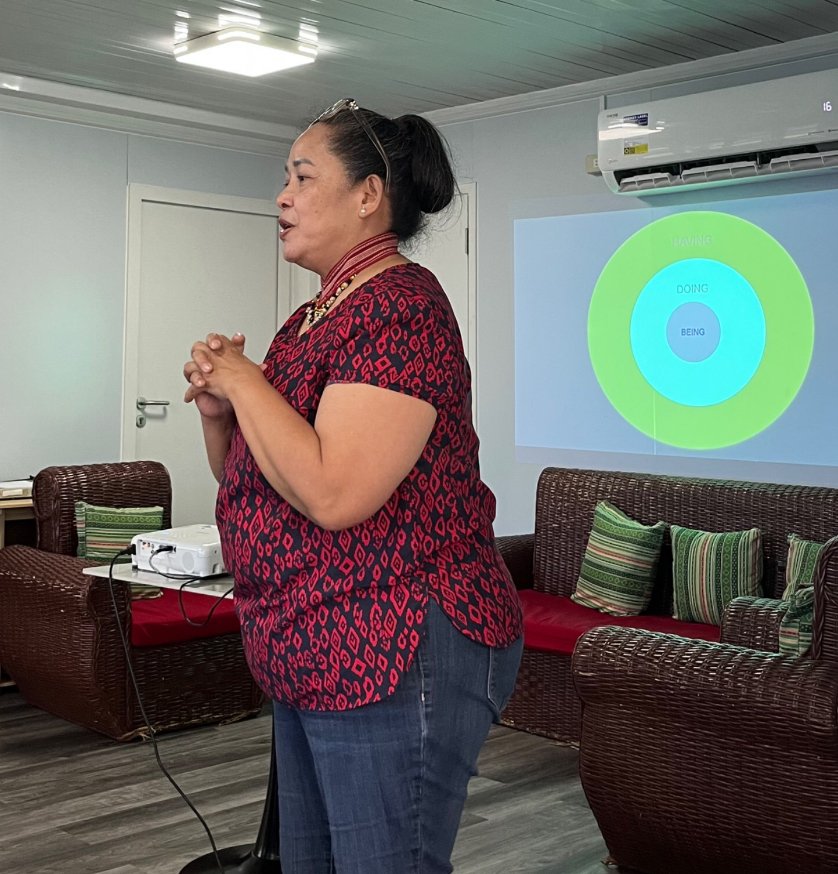
The session further explored the concept of the Three Layers of Life: Being, Doing, and Having. Participants were encouraged to reflect on who they are as individuals (Being), the activities and responsibilities they perform (Doing), and the outcomes or achievements resulting from those actions (Having). Through personal sharing, participants discussed their identities, aspirations, and life experiences. The activity highlighted the diverse backgrounds of the participants, particularly the perspectives of the Bagobo Tagabawa tribe and the Cebuano community.
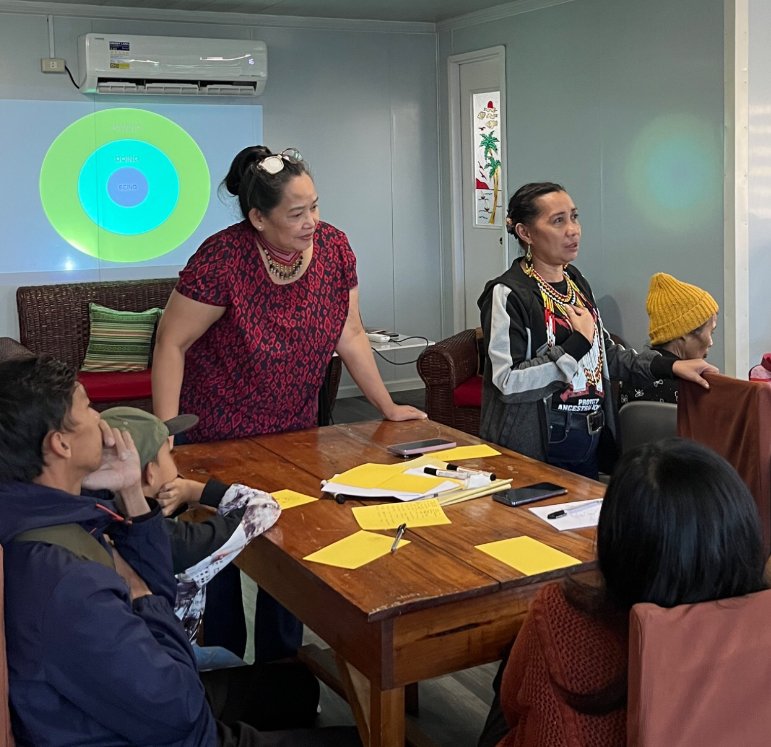
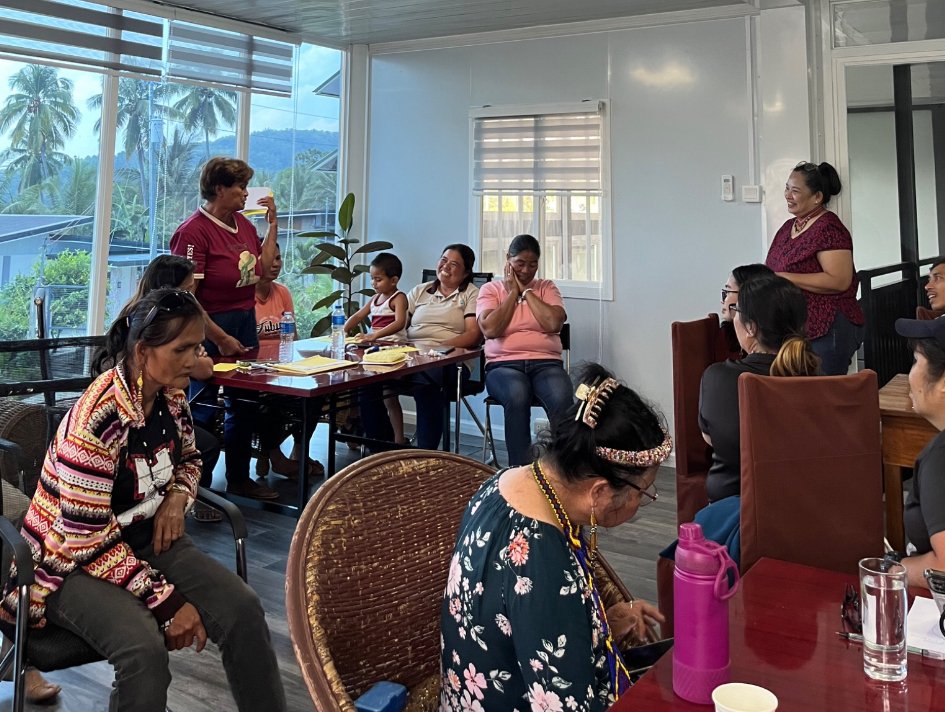
A meaningful and thought-provoking discussion emerged regarding the experiences of Indigenous Peoples and non-IP participants. Leaders from Upper Catigan shared their continuing efforts to protect and advocate for their ancestral domain rights. The conversation brought forward differing viewpoints between IP and non-IP participants, creating a space for open dialogue and mutual understanding. Participants discussed the importance of recognizing Indigenous rights while fostering cooperation and peaceful relationships among communities.
The discussion also focused on coffee farming as a shared livelihood. Participants from Indigenous communities shared that many are beginning to engage more actively in coffee production, learning the entire process from planting to harvesting. In contrast, several non-IP participants were experienced coffee farmers who owned coffee plantations and had achieved recognition in both national and international competitions. Their stories of dedication, perseverance, and stewardship of coffee farming served as a source of inspiration, particularly for the Indigenous participants from Upper Catigan. The exchange highlighted how knowledge sharing and mentorship can strengthen community livelihoods and promote sustainable agricultural practices.
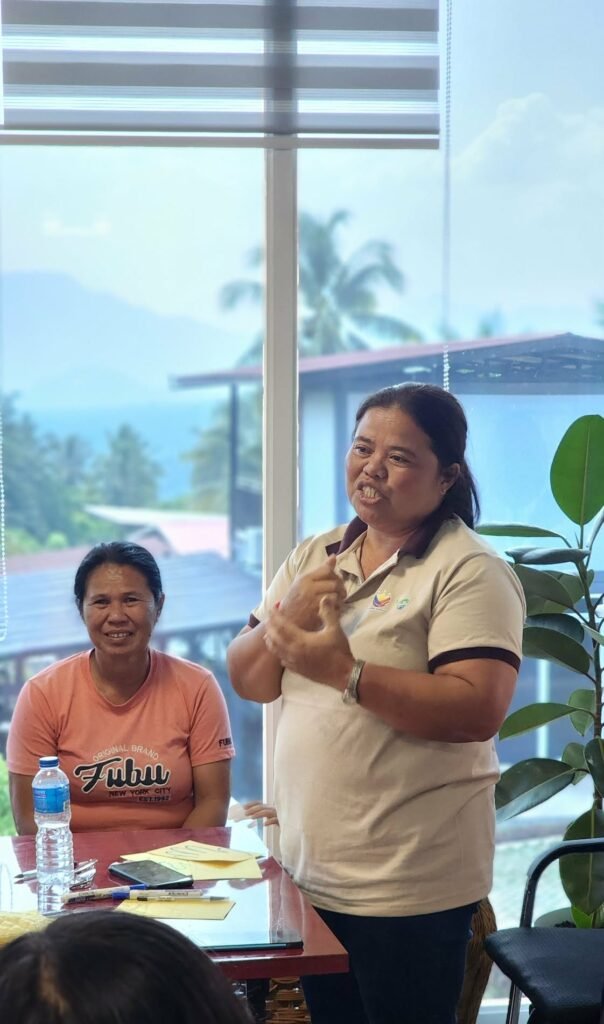
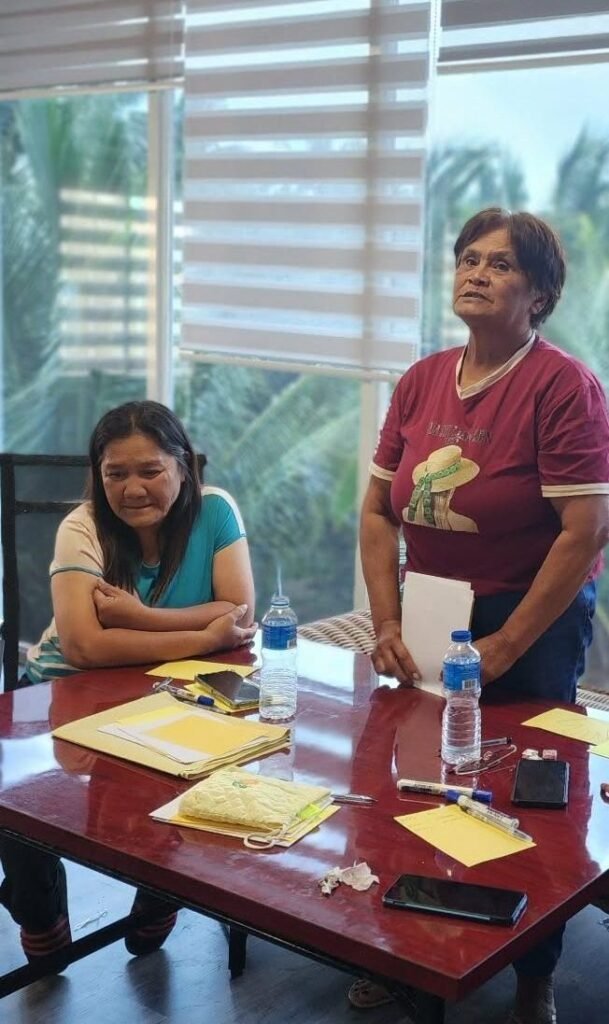
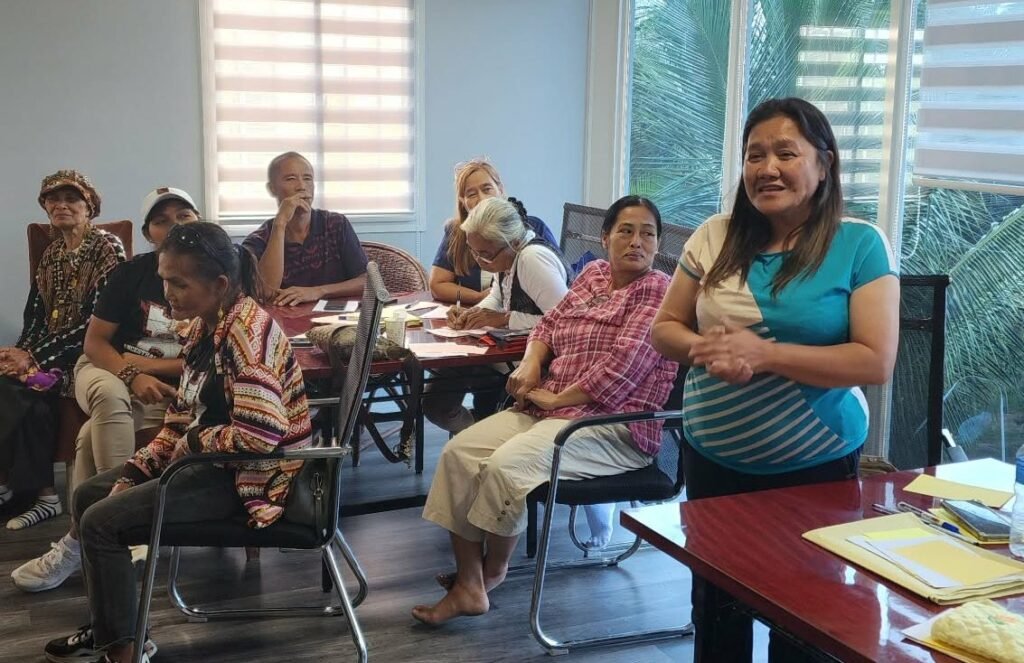
Participants also reflected on personal growth, changing life roles, and the importance of purpose. Examples were shared of individuals transitioning from one profession to another, such as from being a daycare teacher to becoming a coffee farmer. Discussions centered on questions such as “Who am I after I retire?” and emphasized the importance of focusing on one’s identity and purpose rather than solely pursuing financial gain. Participants recognized that every action has consequences and contributes to shaping both individual and community well-being.
The facilitator also introduced the concept of the Four Harmonies: Harmony with the Creator, Harmony with Self, Harmony with Others, and Harmony with Creation. Participants reflected on how a strong relationship with the Creator provides purpose, guidance, patience, empathy, and understanding. It discussed how self-awareness enables individuals to better understand others and take responsibility for their actions. Participants further recognized that respect for the environment stems from understanding one’s purpose and interconnectedness with creation. These discussions reinforced the importance of building communities grounded in respect, peace, and shared responsibility.
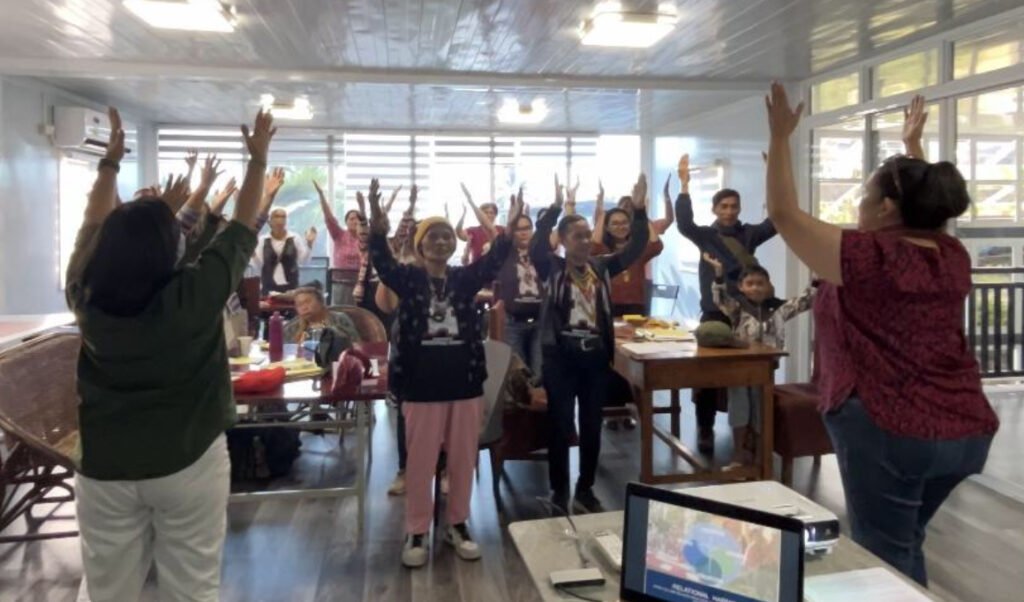
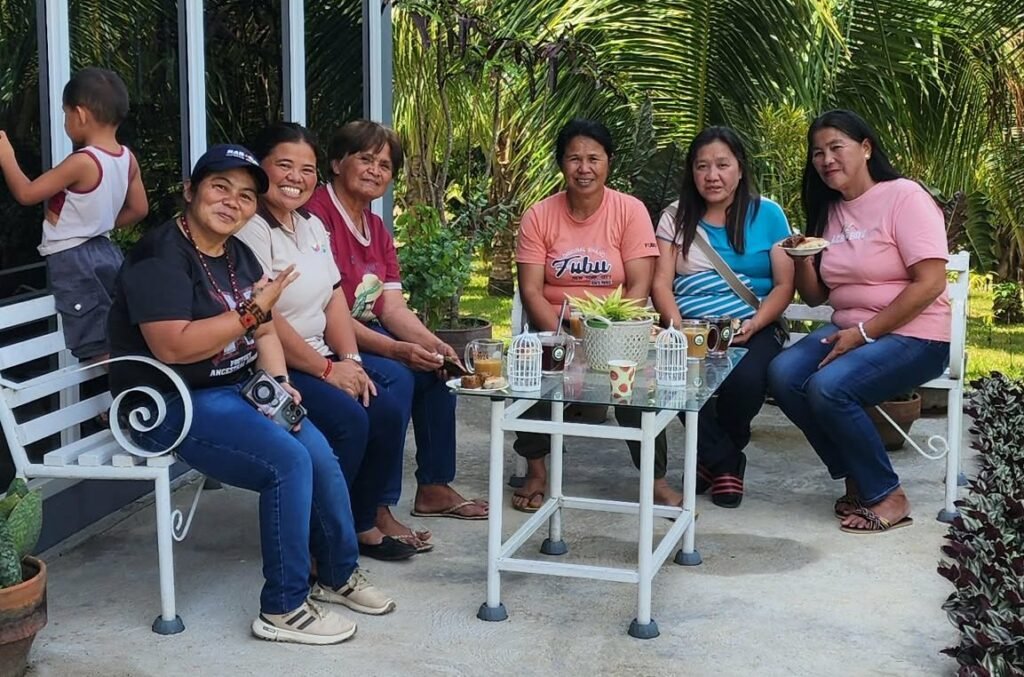
Throughout the activity, participants actively exchanged ideas and experiences, fostering learning across cultural and social backgrounds. The discussions highlighted the strength and contributions of women, the significance of Indigenous rights, the value of shared livelihoods such as coffee farming, and the importance of balancing productivity with personal well-being.
During the feedback session, participants emphasized the need to continue discussions on Indigenous Peoples’ rights and strengthen relationships between IP and migrant communities. They acknowledged that migrants can contribute positively through investments and economic opportunities, provided that proper processes and respect for Indigenous rights are observed. Participants also highlighted the importance of economic sharing, collaborative decision-making, and conducting situational analyses to better understand community needs and challenges. These recommendations reflected a collective desire to build stronger partnerships, promote inclusive development, and foster peaceful coexistence among diverse communities.
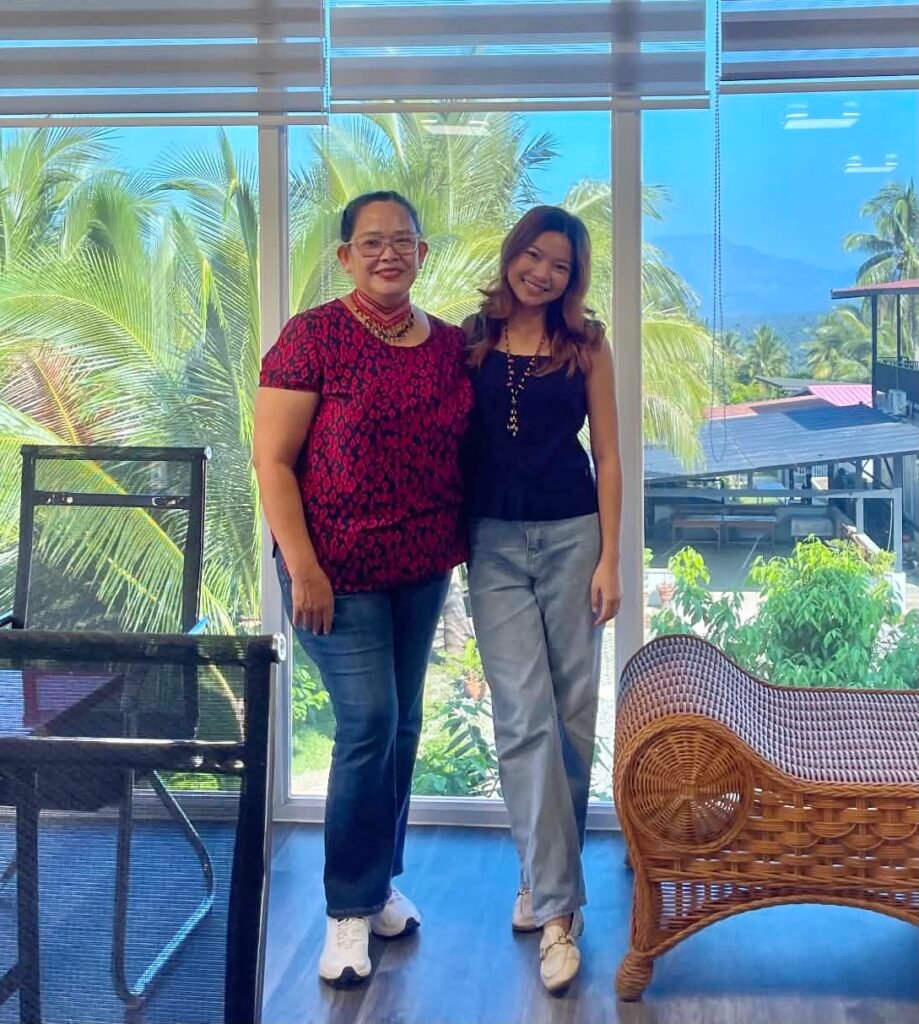
In conclusion, the “Hawak ng Babae ang Kalahati ng Mundo” session provided a meaningful platform for participants to reflect on their daily realities, recognize the significant contributions of women, and engage in discussions on shared responsibilities, leadership, livelihood, and community development. The activities and dialogues encouraged deeper understanding of gender roles, Indigenous Peoples’ rights, personal purpose, and the importance of fostering harmonious relationships with oneself, others, the Creator, and the environment. Despite the differing perspectives expressed during some discussions, participants demonstrated openness to learning from one another and finding common ground. The insights and recommendations generated during the session underscored the value of inclusivity, collaboration, and mutual respect in building resilient communities where women’s contributions are recognized, voices are heard, and opportunities for growth and development are shared by all.