
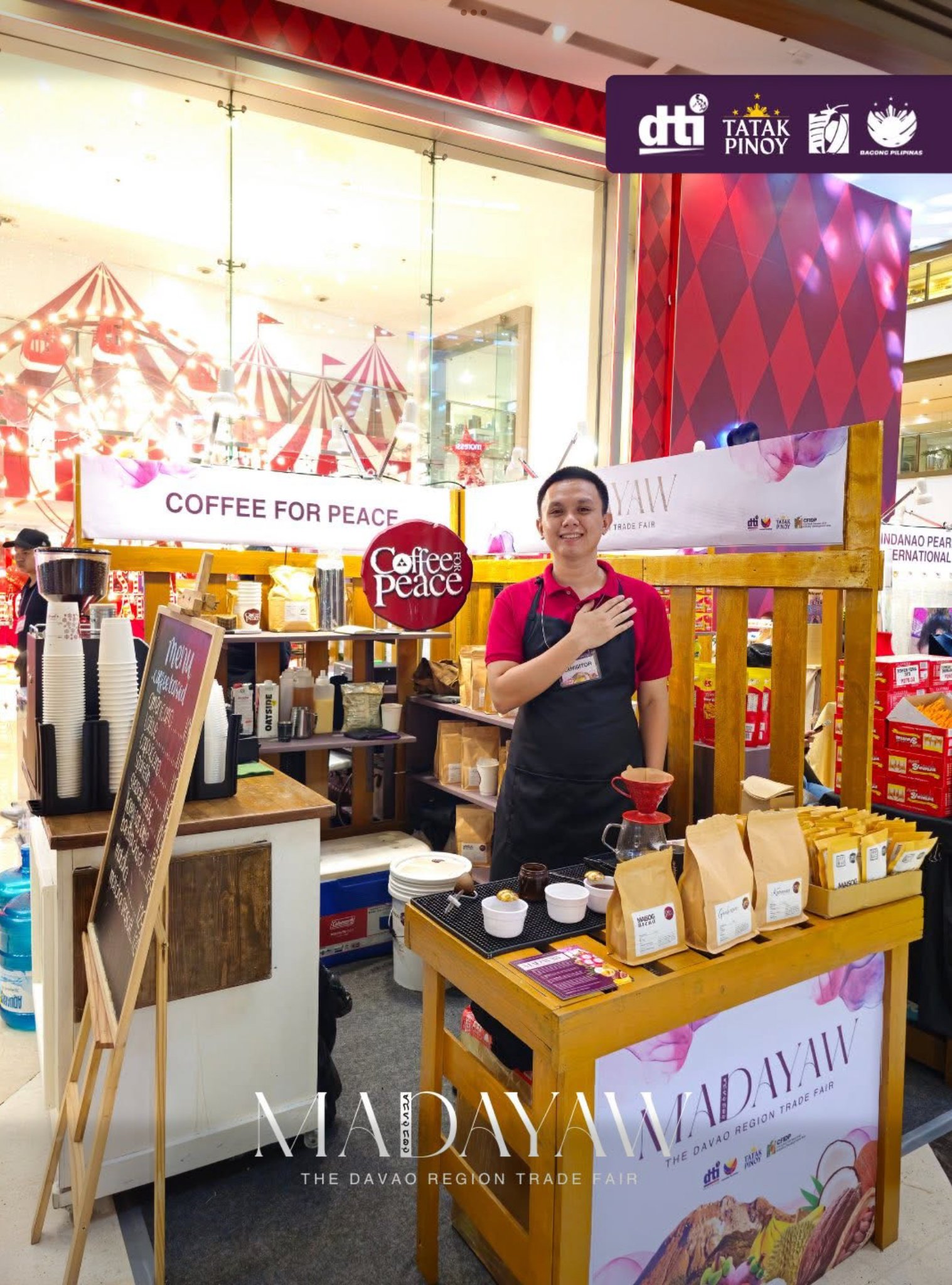
COFFEE FOR PEACE AT MADAYAW: WHEN LIFESTYLE MEETS TRADITION IN SHANGRI-LA PLAZA
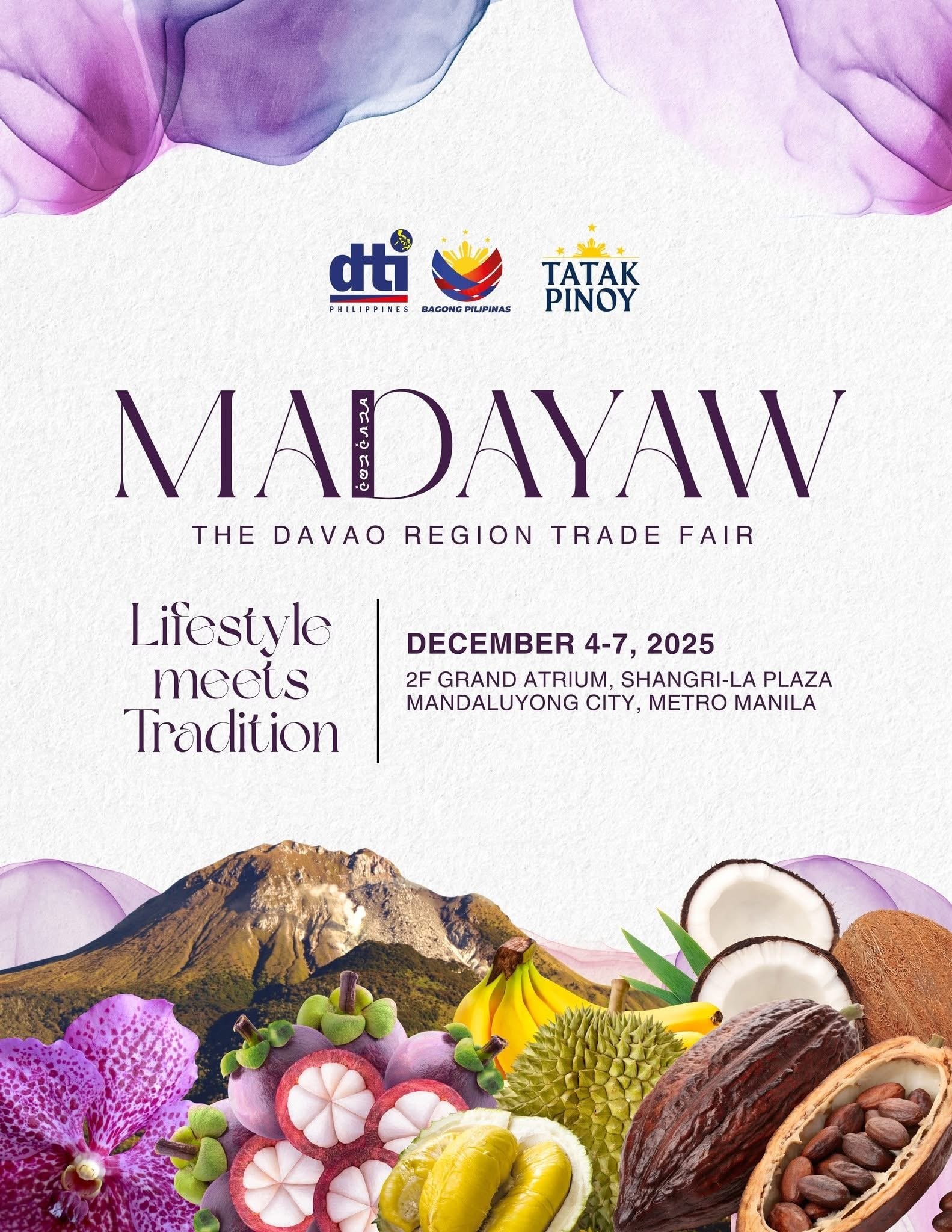
December 4–7, 2025 — Shangri-La Plaza, Mandaluyong. The Grand Atrium pulsed with the colors, textures, and flavors of Mindanao as Madayaw! The Davao Region Trade Fair opened its doors in Metro Manila. Organized by the Department of Trade and Industry–Region XI, Madayaw was envisioned as more than a regional showcase; it was an invitation for the nation to encounter Davao not merely as a place of origin, but as a living culture — agricultural, artisanal, and rooted in Indigenous heritage. This year’s theme, “Lifestyle Meets Tradition,” came alive in the curated booths, the mountain harvests on display, and the stories that vendors carried with them. From cacao to coconut, from woven textiles to artisanal crafts, Madayaw brought the region’s multi-sectoral creativity into an elegant urban space.
The fair’s goal was clear: elevate Davao’s micro, small, and medium enterprises (MSMEs), strengthen their Manila market access, and build pathways for long-term institutional and export partnerships.
Amid the diverse exhibitors, one presence resonated profoundly with this vision: Coffee for Peace (CFP).
A Cup of Coffee, a Community of Peace
Coffee for Peace did not simply “attend” Madayaw — it embodied what the fair sought to celebrate. Through its mobile coffee cart and on-site brewing service, CFP brought to Shangri-La Plaza not just the aroma of freshly roasted Davao beans, but the stories of the communities who grew them.
Every cup poured at Madayaw was an invitation to encounter:
- Indigenous farming communities of the Bagobo-Tagabawa, Talaandig, Manobo, and other Lumad groups
- Smallholder growers who have transitioned from volatile commodity dependence to dignified livelihood
- A peacebuilding economy, where business becomes a platform for social healing, inter-tribal partnership, and the empowerment of rural families
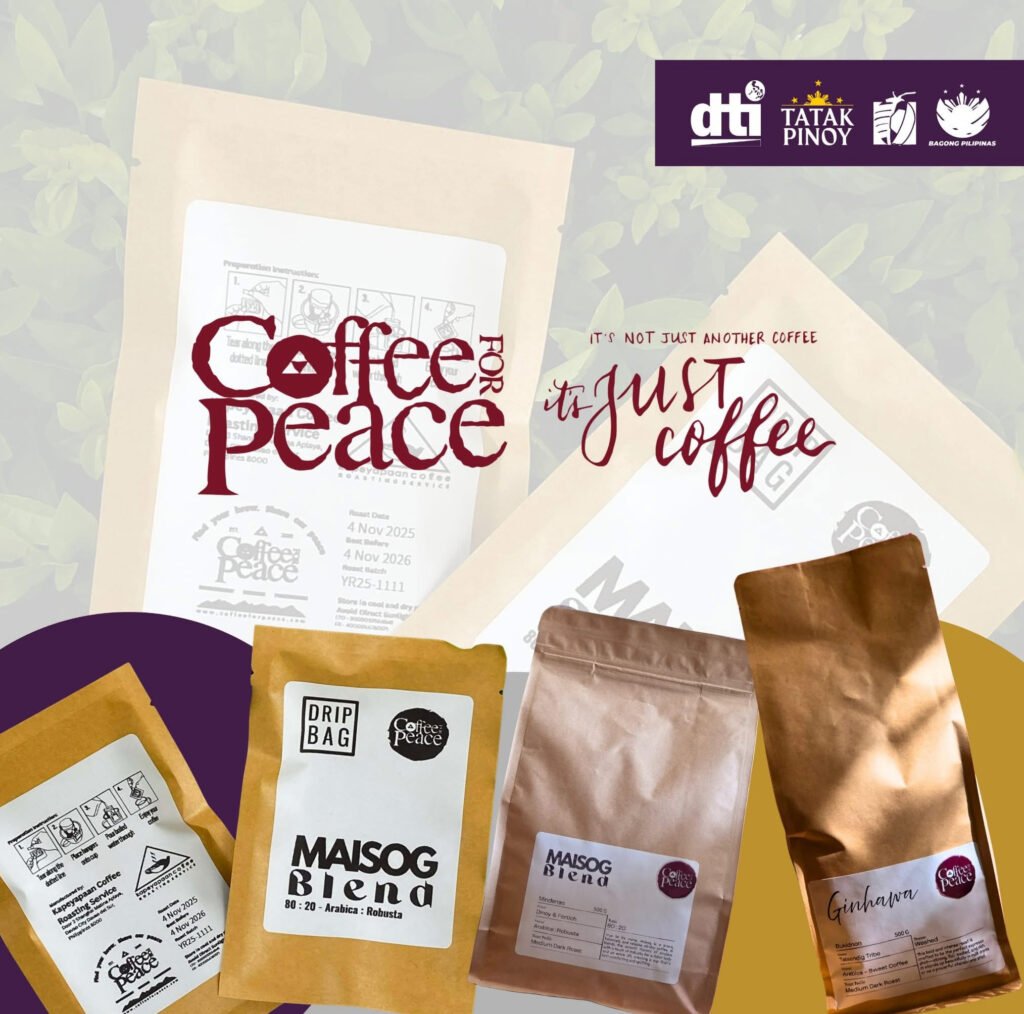
CFP’s presence in such a high-visibility venue was a significant marker of how far the social enterprise has come — from its humble beginnings in 2008 to becoming one of Mindanao’s most recognized inclusive-business models.
Madayaw as a Marketplace for Values
In the midst of Manila’s holiday crowd, CFP offered what can be called a “third space”: where consumers experience delicious specialty coffee and become part of a broader ethical conversation.
CFP’s participation highlighted three core values:
1. Ethical and Inclusive Trade
CFP pays farmers at above-market prices, trains them in post-harvest excellence, and ensures that value is shared equitably along the supply chain. At Madayaw, these values were not theoretical; they were tasted, smelled, and experienced sip by sip.
2. Environmental Stewardship
Through sustainable farming, organic techniques, and commitment to regenerative agriculture, CFP champions the idea that peace with people must include peace with the land. The booth emphasized this interconnection with visuals, conversations, and storytelling.
3. Peace as Daily Practice
Coffee is CFP’s medium, but peacebuilding is its mission. Engaging with curious fairgoers — from Manila yuppies to international buyers — the CFP team explained how livelihood, dignity, and dialogue brew long-term stability in conflict-vulnerable communities.
Strengthening Davao’s Presence in the National Market
DTI–XI’s vision for Madayaw includes opening new institutional buyers for Davao’s food clusters — especially cacao and coffee. CFP’s high-quality beans, consistent flavor profiles, and farmer-centered systems make it a natural contender for cafés, restaurants, and roasters seeking ethical sourcing.
In fact, CFP’s conversations during the fair hinted at:
- potential collaborations with Manila-based specialty cafés
- interest from social-enterprise partners
- inquiries from boutique hotels looking for local, story-rich coffee suppliers
While the fair emphasized product quality, CFP added an irreplaceable ingredient: a narrative of justice, community, and reconciliation.
Why CFP’s Presence Matters
In an era when consumers seek authenticity, traceability, and ethical value, CFP stands as a model for what Philippine agriculture could become. Madayaw gave Metro Manila a glimpse of a future where:
- farmers are respected as knowledge-holders
- Indigenous identities are honored, not commodified
- local products compete globally without losing their soul
- peacebuilding is integrated into economic relationships
The Grand Atrium of Shangri-La Plaza became, for a moment, a bridge between the highlands of Davao and the heart of the capital — a bridge built on coffee, commitment, and community.
A Vision Moving Forward
As the lights of Madayaw dim behind us, CFP leaves with strengthened networks, renewed visibility, and deeper public engagement. But more importantly, the farmers, communities, and peace advocates behind every coffee cherry carry with them the affirmation that their work matters — nationally and globally.
Madayaw was not just a trade fair. It was a declaration that Mindanao’s stories deserve space in the nation’s commercial, cultural, and ethical mainstream.
And Coffee for Peace stood at the center of that declaration, serving not only specialty coffee, but a vision of a more just, more reconciled, and more inclusive Philippines.