
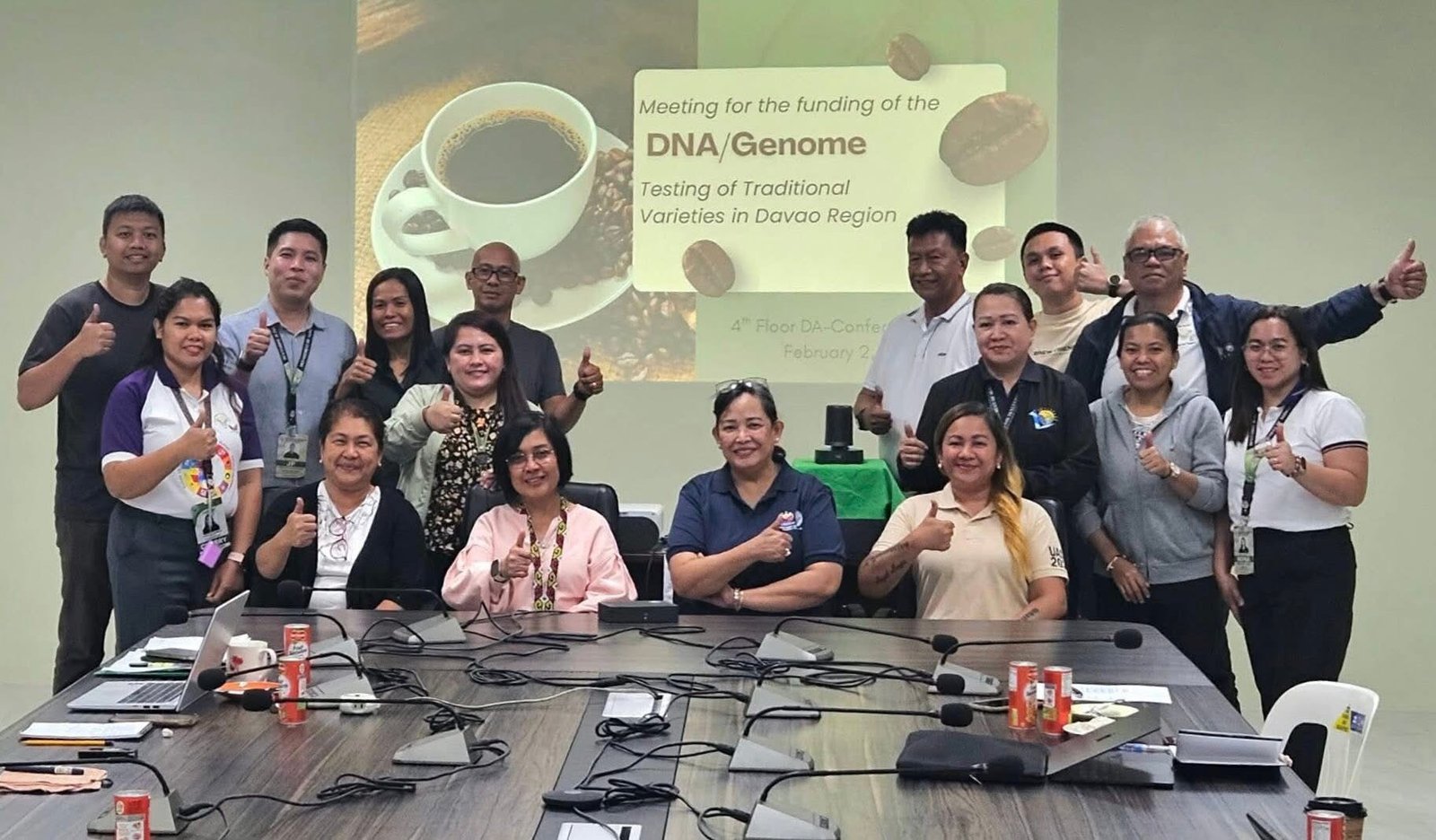
WHERE SCIENCE MEETS JUSTICE: ADVANCING PEACEBUILDING AND INCLUSIVE GROWTH THROUGH COFFEE GENOME PROTECTION
On February 2, 2026, Coffee for Peace, Inc. participated in a strategic and values-driven dialogue with the Regional Agriculture and Fisheries Council (RAFC), together with Dr. Phoebe Nemenzo-Calica, RAFC Sectoral Committee Chair on Academe, and Ms. Felicitas B. Pantoja—who serves both as the RAFC Sectoral Committee Chair on Coffee and as the Chair and CEO of Coffee for Peace, Inc. The meeting was conducted with the active support of DA–XI and the High Value Crops Development Program (HVCDP) and focused on the proposed funding for DNA/Genome testing of traditional coffee varieties in the Davao Region.
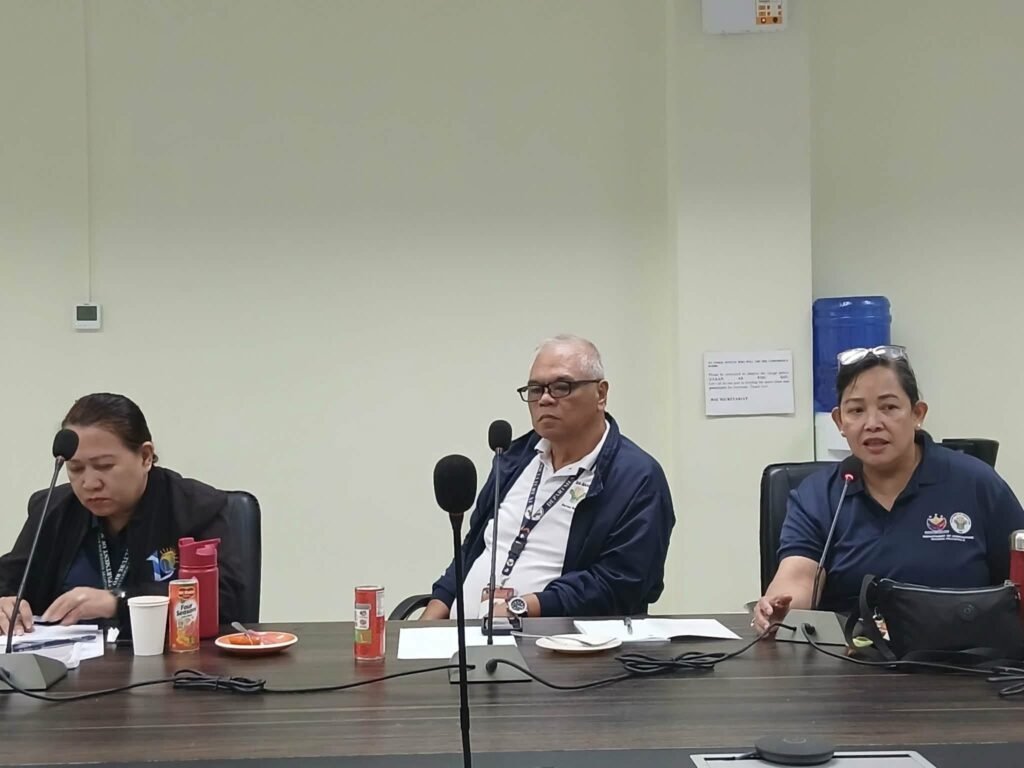
Ms. Pantoja’s dual leadership role bridged public-sector policy engagement and grassroots peacebuilding practice. Her participation reflected Coffee for Peace’s long-standing commitment to shaping agricultural development pathways that are scientifically sound, socially just, and peace-oriented. Through this convergence of roles, the initiative was framed not merely as a technical or commercial exercise, but as a justice-based intervention that protects farmers’ rights, honors indigenous and local knowledge systems, and strengthens inclusive value chains.
For Coffee for Peace, DNA/Genome testing is integral to inclusive economic development and sustainable peace. Safeguarding traditional and indigenous coffee varieties protects farmers from biopiracy, reinforces their collective intellectual and cultural heritage, and enables more equitable participation in specialty and origin-based markets. These outcomes contribute directly to livelihood security, ecological stewardship, and the reduction of structural inequalities that often underlie rural conflict.
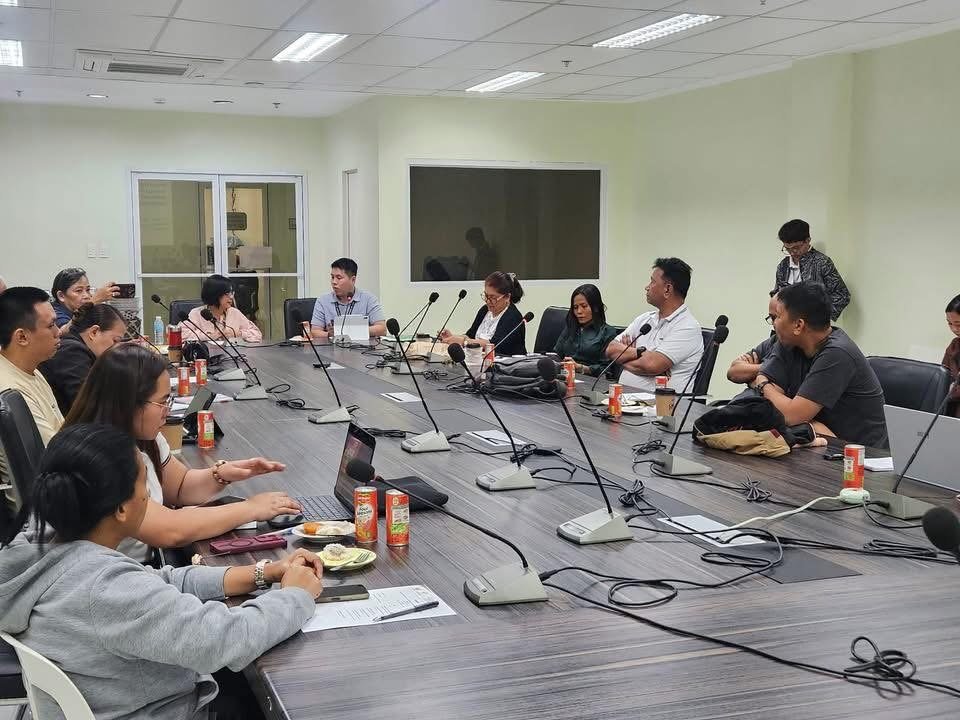
The meeting clarified the objectives, scope, and expected outputs of the DNA/Genome testing activity; addressed technical, financial, and implementation considerations; and identified areas for collaboration while ensuring alignment with HVCDP policies and regional priorities. This alignment reinforces a shared vision of development that is farmer-centered, regionally rooted, and institutionally supported.
Coffee for Peace echoes the statement of Ms. Marie Constantino, Regional Technical Director for Operations, who described the initiative as an investment in farmers, food security, and the protection of the Davao Region’s agricultural heritage. From our perspective, it is also an investment in peace—where ethical governance, scientific rigor, and inclusive economic systems converge to transform coffee into a vehicle for dignity, justice, and lasting social cohesion.